Foods That Help Prevent High Blood Pressure
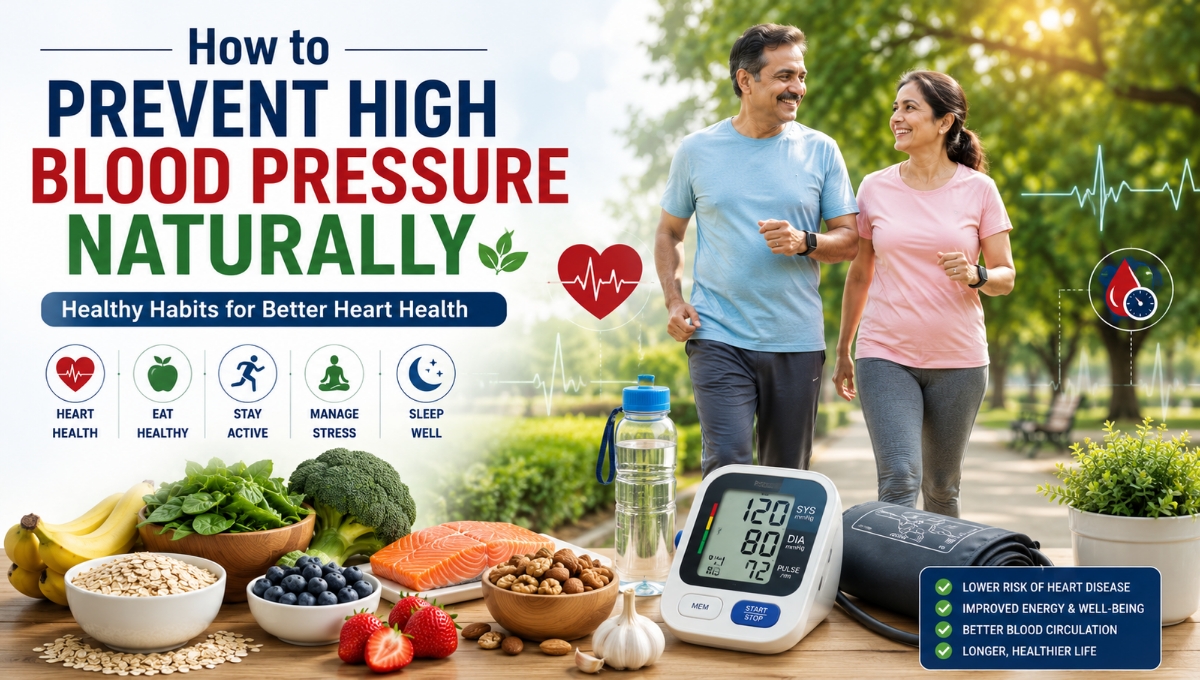
A healthy diet plays a major role in preventing high blood pressure naturally. The foods you eat every day can support your heart, improve blood circulation, and help maintain healthy blood pressure levels.
Leafy Green Vegetables
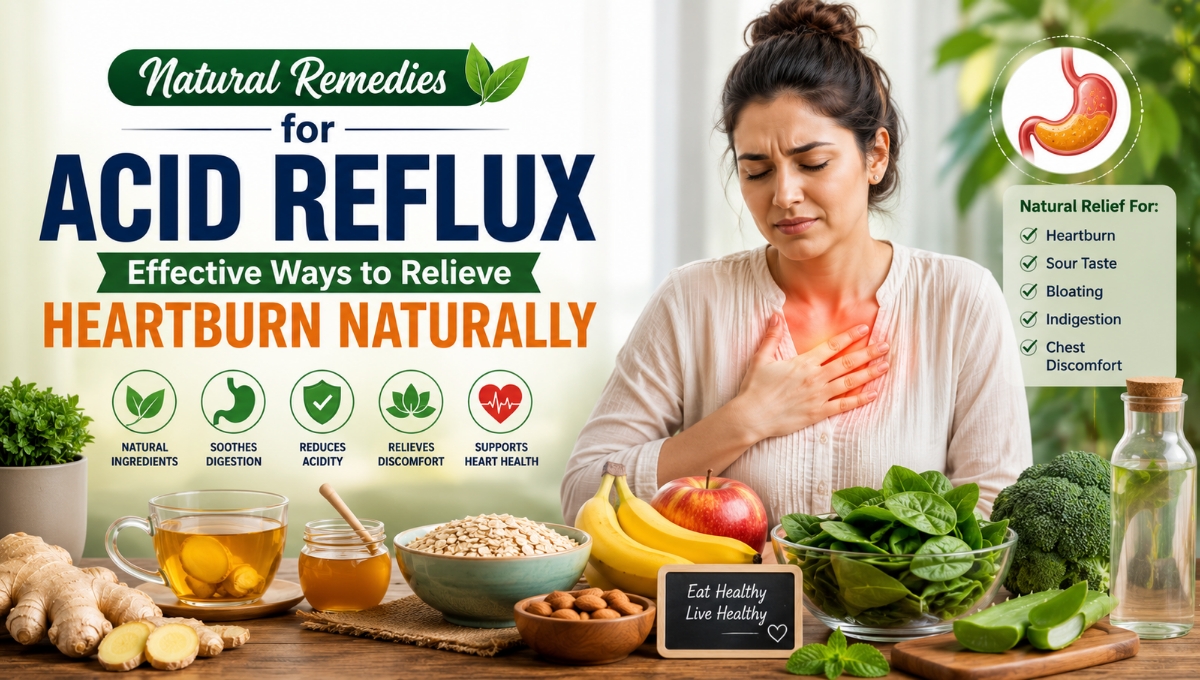
Spinach, kale, broccoli, and lettuce are rich in potassium, which helps balance sodium levels in the body.
Bananas
Bananas are an excellent source of potassium and can be included as part of a heart-healthy diet.
Berries
Blueberries, strawberries, and raspberries contain antioxidants that support blood vessel health.
Oats
Oats are high in soluble fiber and may help improve heart health while supporting healthy blood pressure.
Fatty Fish
Fish such as salmon and mackerel provide omega-3 fatty acids that support cardiovascular health.
Nuts and Seeds
Almonds, walnuts, flaxseeds, and chia seeds provide healthy fats and important minerals.
Low-Fat Dairy Products
Milk and yogurt provide calcium and protein, which support overall health.
Foods to Avoid
Reducing certain foods is just as important.
Limit:
- Processed foods
- Fast food
- Deep-fried foods
- Sugary beverages
- Packaged snacks
- Excess salt
- Processed meats
- Excess alcohol
These foods may increase the risk of high blood pressure over time.
Exercise Regularly
One of the best ways to prevent high blood pressure naturally is staying physically active.
Best Exercises
- Brisk walking
- Cycling
- Swimming
- Jogging
- Yoga
- Dancing
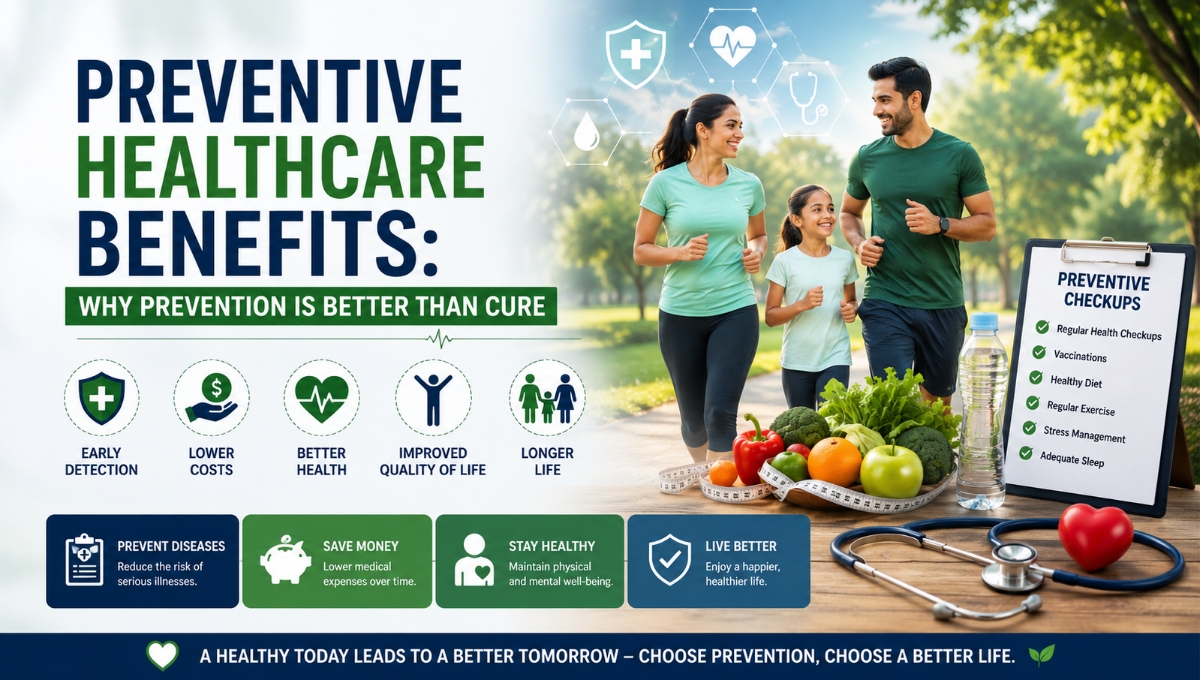
Aim for at least 150 minutes of moderate exercise each week.
Regular activity strengthens the heart and improves blood circulation.
Maintain a Healthy Weight
Being overweight places additional strain on the heart.
Healthy weight management can help:
- Lower blood pressure
- Improve cholesterol levels
- Reduce diabetes risk
- Improve overall cardiovascular health
Even modest weight loss can make a significant difference.
Reduce Salt Intake
Too much sodium can increase blood pressure.
Tips:
- Cook more meals at home.
- Read nutrition labels.
- Choose fresh foods.
- Use herbs and spices instead of extra salt.
Drink Enough Water
Hydration supports healthy circulation.
Benefits include:
- Better blood flow
- Improved kidney function
- Balanced body functions
Replace sugary drinks with water whenever possible.
Manage Stress Naturally
Long-term stress may contribute to elevated blood pressure.
Healthy stress-management techniques include:
Meditation
Improves relaxation.
Deep Breathing
Helps calm the nervous system.
Yoga
Supports both mental and physical health.
Spending Time Outdoors
Fresh air and nature can improve emotional well-being.
Quit Smoking
Smoking damages blood vessels and significantly increases the risk of heart disease and high blood pressure.
Quitting smoking provides immediate and long-term health benefits.
Limit Alcohol Consumption
Excess alcohol may raise blood pressure over time.
If you drink alcohol, do so in moderation according to medical guidance.
Get Enough Sleep
Poor sleep affects hormone balance and heart health.
Aim for 7–9 hours of quality sleep every night.
Tips:
- Keep a consistent bedtime.
- Avoid caffeine before bed.
- Limit screen time at night.
Monitor Your Blood Pressure Regularly
Even if you feel healthy, regular monitoring helps detect problems early.
Adults should have their blood pressure checked periodically, especially if they have risk factors.
Daily Routine to Prevent High Blood Pressure Naturally
Morning
- Drink water.
- Eat a healthy breakfast.
- Walk for 20–30 minutes.
Afternoon
- Eat vegetables and lean protein.
- Stay hydrated.
- Avoid sugary snacks.
Evening
- Light exercise or yoga.
- Eat a balanced dinner.
- Relax before bedtime.
Consistency is one of the best ways to prevent high blood pressure naturally.
Common Mistakes to Avoid
- Eating too much salt
- Skipping exercise
- Smoking
- Excess alcohol
- Poor sleep habits
- Ignoring stress
- Eating excessive processed foods
Avoiding these habits supports long-term heart health.
Frequently Asked Questions (FAQs)
1. Can high blood pressure be prevented naturally?
Yes. A healthy diet, regular exercise, maintaining a healthy weight, reducing salt intake, and avoiding smoking can significantly lower the risk.
2. Which foods help control blood pressure?
Leafy greens, bananas, berries, oats, nuts, seeds, low-fat dairy, and fatty fish are excellent choices.
3. How much exercise is recommended?
At least 150 minutes of moderate physical activity per week is generally recommended for adults.
4. Is stress linked to high blood pressure?
Yes. Chronic stress may contribute to elevated blood pressure, making stress management important.
5. Should I stop taking medication if I improve my lifestyle?
No. Never stop prescribed medication without consulting your healthcare provider.
Conclusion
Learning How to Prevent High Blood Pressure Naturally is one of the most valuable steps you can take for lifelong heart health. Small lifestyle changes—such as eating nutritious foods, exercising regularly, reducing salt, staying hydrated, sleeping well, and managing stress—can make a meaningful difference over time.
While these habits help reduce the risk of high blood pressure, they are not a substitute for medical care. If you already have hypertension or other health conditions, continue to follow your doctor’s advice. By combining healthy daily habits with regular medical checkups, you can protect your heart, improve your quality of life, and reduce the risk of serious cardiovascular diseases.
Learn How to Prevent High Blood Pressure Naturally with healthy eating, exercise, stress management, hydration, and lifestyle tips to support heart health and maintain healthy blood pressure naturally.
Also Read
How to Stay Active After 60: A Complete Guide to Healthy and Independent Aging